
Essential Tips for Stunning Destination Wedding Photography
Destination weddings offer a unique blend of romance and adventure. Capturing these moments requires skill and creativity.
Summary
This guide outlines how to plan and execute exceptional destination wedding photography through thorough research, clear communication, and solid logistics. It highlights smart packing with backups, venue scouting for light and backdrops, and sensitivity to cultural, legal, and weather factors. Creative techniques and candid storytelling are paired with rapport-building, efficient day-of workflow, and thoughtful post-processing. The final sections focus on portfolio building and overarching tips that stress flexibility, preparedness, and aligning with the couple’s vision.

Photographers face distinct challenges when shooting in unfamiliar locations. Each destination presents its own lighting and cultural nuances.
Preparation is key to success. Researching the location helps photographers anticipate potential obstacles.
Communication with the couple is crucial. Understanding their vision ensures the photos reflect their personalities and preferences.
Packing the right equipment is essential. Backup equipment can save the day if something goes wrong.
Scouting the venue ahead of time allows photographers to find the best spots. This ensures stunning backdrops for the couple's special day.
Flexibility is vital. Weather and other unforeseen factors can impact the shoot.
By mastering these elements, photographers can create breathtaking images.
These photos will be cherished by couples for a lifetime.
Understanding the Unique Challenges of Destination Wedding Photography
Destination weddings present unique challenges that differ from local shoots. Understanding these challenges is crucial for successful photography.

One significant challenge is adapting to new environments. Photographers must adjust to varied lighting conditions, especially in unfamiliar locations.
Cultural differences also play a role. Photographers must be sensitive to local customs and traditions whilst capturing the event.
Legal requirements cannot be overlooked. Some destinations have specific laws concerning photography, requiring permits or permissions.
Here's a brief list of challenges:
Varying lighting conditions
Cultural sensitivities
Legal restrictions and permits
Unpredictable weather
Transport logistics
Being well-prepared and adaptable will help navigate these challenges.
This ensures photographers capture the essence of the destination wedding effectively.
Pre-Trip Planning: Research, Communication, and Logistics
Pre-trip planning is critical for successful destination wedding photography. It ensures smooth execution and minimises unexpected hiccups.
Start with thorough research about the destination. Learn about local weather patterns, iconic locations, and potential photo spots. This helps in anticipating lighting conditions and choosing the best backdrops.

Communication with the couple is equally important. Understanding their vision, preferences, and expectations helps tailor the photography style to their liking. Discuss must-have shots and any specific requests they might have.
Logistics can make or break a destination shoot. Plan transportation and accommodation well in advance. Ensure that you arrive with plenty of time to settle in and prepare.
Having a checklist can simplify planning. Consider the following essential elements:
List of equipment to pack
Backup of camera gear and memory cards
Accommodation booked and confirmed
Transport plans and itineraries
Itinerary of the wedding events
Contact information for local suppliers
Additionally, consult with the wedding planner. They can provide insights into the schedule and assist with local contacts. This collaboration is valuable for smoother coordination.
A key tip is to have a backup plan for unforeseen situations like missed flights. Flexibility in your planning allows you to adapt to changes without stress.
A well-organised pre-trip plan sets the stage for successful destination wedding photography. By dedicating time to planning, you'll be better prepared to capture stunning moments.
Packing Smart: Essential Gear and Backup Equipment
Packing for a destination wedding requires strategic consideration. It's essential to bring the right gear and backup for every scenario.
Start with the basics: camera bodies, lenses, and flashes. Opt for versatile lenses like wide-angle and zoom to cover various scenes. A 24-70mm lens is ideal for dynamic shots, while a 70-200mm can capture intimate moments from afar.
Having backup equipment is crucial. Bring an extra camera body and additional batteries. This ensures you're prepared if something fails at a critical moment.
Don't forget memory cards. High-capacity cards provide more storage, but having several smaller ones is safer in case of corruption. Ensure you have a safe, dry place to store them.
Here's a concise packing list:
Primary and backup camera bodies
Wide-angle and zoom lenses
Multiple batteries and chargers
Numerous memory cards
Flash equipment and light modifiers
Lens cleaning kit
Laptop for backups and editing
Lastly, pack equipment insurance documentation, especially for international travel. If anything gets damaged or lost, this will expedite claims and minimise stress.
Thoughtful packing empowers you to handle any scenario during the shoot. With ample preparation, you'll capture exceptional images without equipment hurdles.
Scouting the Location: Finding the Best Spots and Lighting
Scouting the wedding location before the big day is key to success. Arrive early to explore the venue thoroughly.
Pay attention to natural lighting. Observe how light changes during different times of day. This helps plan for key shots during optimal lighting conditions, like golden hour.
Identify stunning backdrops and angles. Look for unique features that highlight the destination's beauty. Incorporate them into your composition, enhancing the couple's memories.
Prepare a versatile shot list to guide you. While scouting, note areas with:
Dynamic lighting
Scenic views
Architectural features
Popular landmarks
Natural elements
Communicate with local photographers or suppliers. They can provide valuable insights into hidden gems or restrictions. Additionally, this interaction aids in ensuring you have access to all the spots you want to shoot.
Scouting not only informs your approach but also boosts your confidence on the wedding day. By knowing your environment, you can focus more on creativity and capturing those perfect moments.
Navigating Cultural, Legal, and Weather Considerations
Destination weddings present unique challenges that require thorough preparation. Understanding cultural norms and legal constraints can prevent unexpected issues. Research the destination's customs to ensure your photography style respects local traditions.
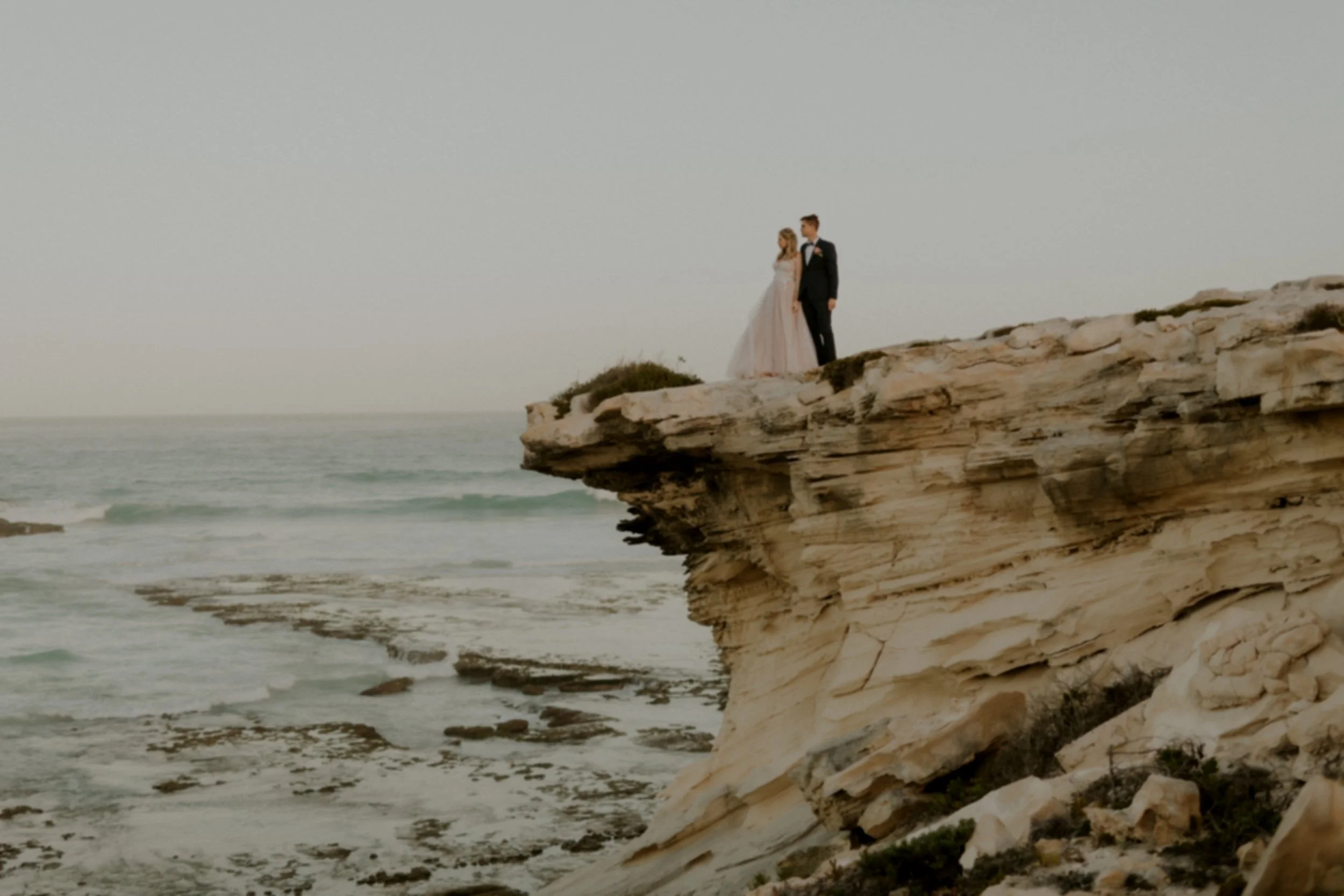
Legalities around photography vary widely. Some locations may require permits or have restrictions on equipment use, especially drones. Contact local authorities or wedding planners in advance to clarify these regulations.
Weather in unfamiliar places can be unpredictable. Monitor forecasts as the wedding day approaches, and have contingency plans. Be prepared to adjust your schedule or indoor/outdoor settings if needed.
Consider:
Understanding local customs and etiquette
Checking for necessary photography permits
Tracking weather forecasts and being flexible
Being respectful and adaptable to local traditions
By addressing these aspects, you ensure a smooth and successful photographic experience. Combining cultural sensitivity with professional standards enhances both the wedding event and your photography portfolio.
Creative Wedding Photo Ideas for Destination Settings
Destination weddings offer a rich canvas for creative photography. Each location has unique elements that can enhance the photographs. Integrating these into your shots creates memorable and personalised images.
Scenic backgrounds are the highlight of any destination wedding. Consider natural landmarks or iconic architecture. Position the couple against a setting sun or a dramatic skyline for striking images.
Props add a playful element to wedding photos. Use locally sourced items like floral garlands or traditional attire. These can highlight cultural influences and personalise the photo session.
Creativity can be sparked by including simple ideas:
Capture the couple in candid, fun moments.
Use reflections in water or windows for creative effects.
Shoot through foliage for natural frames.
Try different angles to add depth to your photos. Experiment with aerial shots using a drone for panoramic views. This perspective showcases the grandeur of the location and adds drama to your portfolio.
A mix of local traditions and modern styles can further enhance your portfolio. Black and white shots add a timeless touch. Mixing these with vibrant, colourful images creates a dynamic narrative.
Consider unique photography styles:
Long exposure to capture movement and light trails
Wide-angle lenses for comprehensive scenic views
Silhouettes against vibrant backgrounds
Ultimately, creativity in destination wedding photography is about making the most of your surroundings. Embrace the local culture and environment. Allow them to guide your artistic choices for truly captivating images.
Capturing Authentic Moments: Storytelling and Candid Shots
Authentic storytelling in wedding photography elevates the entire visual narrative. It involves capturing raw emotions and candid interactions. These real moments convey the wedding's genuine essence, making the album timeless.
Candid shots offer glimpses into the unscripted emotions of the day. They reveal joy, excitement, and tender moments between the couple and their guests. These images tell an honest story in a way posed shots often can't.
To capture these moments, stay observant and blend into the background. Let the day's flow guide your lens. Focus on natural expressions, emotional exchanges, and spontaneous laughter.
Consider these storytelling techniques:
Follow the journey from preparation to celebration.
Highlight small details like gestures and glances.
Capture interactions between guests, family, and the couple.
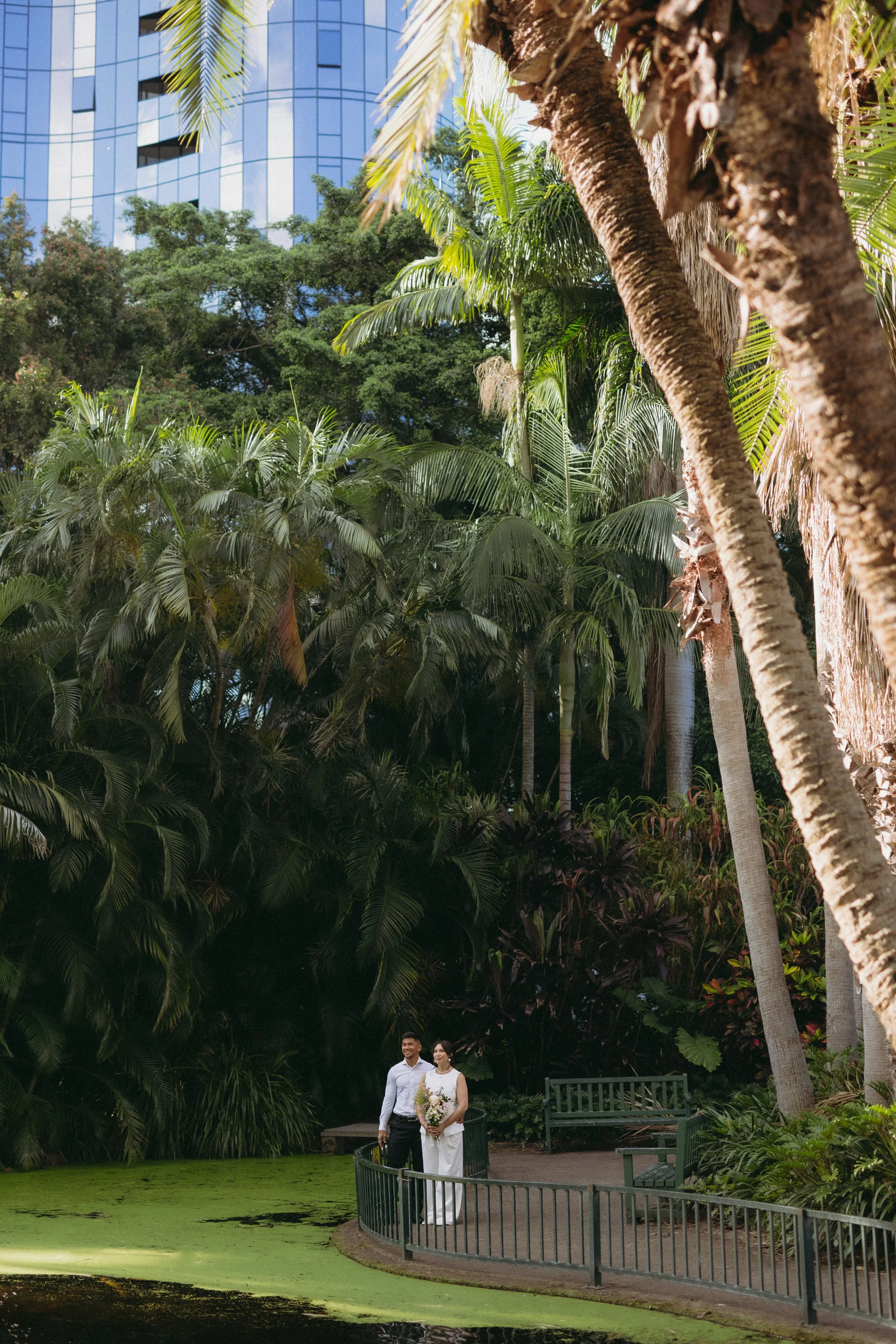
Through storytelling, your photos resonate with sincerity and emotion. They create a heartfelt narrative that the couple will cherish forever.
Working with Couples and Guests: Building Comfort and Rapport
Building a good rapport with the couple and their guests is crucial for genuine photos. Comfortable subjects result in natural expressions and interactions. Start with a friendly introduction and maintain a positive attitude throughout the event.
Engage with the couple well before the big day. Understand their personalities, preferences, and wedding plans. This insight will help you tailor your approach to suit their unique story and style.
Interactions with guests also matter. Be approachable and respectful, capturing moments without intrusion. Simple gestures, like a smile or a quick chat, can make guests feel at ease.
Consider these strategies to build comfort:
Offer a pre-wedding shoot as a practice session.
markdown
Keep communication open and clear.
Encourage laughter and natural interactions.
Your goal is to be a part of the celebration while documenting heartfelt memories seamlessly.
Managing Time and Workflow on the Wedding Day
Efficient time management is essential for capturing all key moments of the wedding day. Start with a clear schedule. Coordinate with the couple and wedding planner to cover all events without missing any special moments.
Being organised helps maintain a seamless workflow. Use a shot list to ensure no important details are overlooked. Prioritise based on the schedule and adjust as the day progresses.
Stay flexible to handle unexpected changes, adapting quickly to capture spontaneous events. Keep these time management tips in mind:
Prepare a detailed timeline and share it with your team.
Allocate extra time for potential delays or issues.
Keep necessary gear ready for quick transitions.
A strategic approach allows you to focus on artistry without feeling rushed, ensuring all significant memories are captured.
Post-Processing and Delivering Stunning Results
Once the event is over, the post-processing phase begins. This stage is crucial in transforming good photos into stunning images. Use editing software to enhance colours, correct exposures, and tweak compositions for the best results.
A natural look should be your goal, even with edits. Subtle adjustments can make a significant difference without appearing overdone. Maintain the authenticity of the moments captured, ensuring the couple's story is told effectively.
Delivering a final product that exceeds expectations requires careful attention to detail. Consider these post-processing tips:
Create presets for consistent editing styles.
Batch process photos to save time.
Conduct a thorough review for quality assurance.
Lastly, stay organised by categorising images and creating accessible file structures. Offering a sneak peek shortly after the event can delight the couple, building anticipation for the full collection.
Building Your Destination Wedding Photography Portfolio
A strong portfolio showcases your skills and versatility. Focus on diversity to appeal to potential clients. Include various styles, such as candid, posed, and aerial shots, to exhibit your range.
Select images that highlight your unique approach and creativity. A well-curated portfolio can set you apart in the competitive field of destination wedding photography. Consider these tips for building your portfolio:
Feature diverse locations to demonstrate adaptability.
Highlight storytelling and emotional connections.
Update regularly with new and exciting images.
Staying current with trends enhances your portfolio. Sharing your work on social media amplifies reach and visibility. Embrace feedback, as it helps refine your portfolio and grow as a photographer.
Final Destination Wedding Tips for Photographers
Achieving remarkable destination wedding photos involves a combination of skills and meticulous planning. Always be prepared for unexpected situations and remain adaptable during the event.
Focus on connecting with the couple and capturing their unique journey. This personal touch adds depth to your work and satisfies your clients. Here are additional tips to ensure success:
Prioritise adaptability to handle changes with ease.
Foster open communication to understand the couple's vision.
Embrace creative risks to add a fresh perspective.
Remember to celebrate and learn from each wedding experience. A passionate approach to every project builds your reputation and enriches your portfolio with each new assignment.
Q&A
Question: What should I research and plan before flying out for a destination wedding? Short answer: Start with the fundamentals: local weather patterns and how they affect light, iconic locations and potential photo spots, and any cultural norms you should respect. Clarify legal requirements early—some venues or public spaces (and especially drones) need permits. Lock in logistics well in advance: transport, accommodation, event itinerary, and contacts for local suppliers via the planner. Build in buffer time for travel hiccups and have a contingency plan for missed flights or delays so your coverage isn’t compromised.
Question: How do I align with the couple’s vision and expectations? Short answer: Schedule a thorough pre-trip consultation to understand their personalities, preferred style, and must-have shots. Discuss the schedule, cultural boundaries, and any special requests. Offer a pre-wedding shoot as a low-pressure practice session to build comfort and refine posing and direction. Keep communication open and clear leading up to the day, and confirm a concise shot list so nothing important is missed while still leaving space for candid moments.
Question: What gear should I pack, and how do I manage backups? Short answer: Bring primary and backup camera bodies, versatile lenses (e.g., 24–70mm and 70–200mm, plus a wide-angle), flashes/light modifiers, a lens cleaning kit, multiple batteries and chargers, and plenty of memory cards. Use several smaller cards rather than a single large one to minimise risk from corruption, and store them safely in a dry, organised case. Carry a laptop for on-site backups and initial edits, and pack your equipment insurance documents—especially important for international travel.
Question: How do I efficiently scout an unfamiliar location? Short answer: Arrive early and walk the venue at the same times you’ll be shooting to observe how the light moves, noting golden hour opportunities and any harsh-light problem areas. Identify scenic backdrops, architectural features, natural elements, and landmarks, and draft a flexible shot list. Speak with local photographers, venue staff, or the planner for hidden gems and access constraints. Pin a weather-proof indoor/covered alternative for each key setup in case conditions change.
Question: How do I handle cultural, legal, and weather considerations on the day? Short answer: Be culturally sensitive by researching local customs and etiquette so your approach is respectful. Confirm any required photography or location permits in advance, and verify restrictions on equipment, especially drones. Track forecasts closely, and stay flexible with an indoor/outdoor Plan B and a timeline that includes buffer time. This combination of preparation and adaptability helps you avoid disruptions while maintaining professional standards and a smooth experience for the couple.